
- Register
- ☰
From the Training:
Assess & Progress: Spotting & Stopping the School Shooter
A principal called me. She was deeply concerned about a student.
We spoke for nearly an hour.
The student was trying to recruit others to participate in a school shooting.
Based on the behaviors described, I said the student appeared to be a threat and high level risk.
The principal partially disagreed.
She believed the student was a threat but a medium level risk.
I didn’t argue.
She knew the student better than I did, so we talked through next steps and how to structure their intervention plan.
The very next day, I got another call from someone else involved in the assessment. They wanted me to change my snapshot assessment to “no threat—no risk.”
They explained that the student was just immature. That he was acting childish, inappropriate, and didn’t really understand the gravity of what he was doing.
Again, I didn’t argue.
I told them they knew the student and the situation far better than I did, and that they should choose the path that made their school the safest while giving the student the best chance to succeed.
They told me I was overreacting and if I knew the student, I would understand.
I said that’s probably true—I hope it’s true. But I don’t know him and most importantly, I haven’t accounted for the behavior so I can’t change my initial assessment.
When a student exhibits dangerous behavior, the behavior has to remain your primary focus. No matter what other labels get attached, the behavior is what guides the response.
Recruiting others for a school shooting is a threatening behavior and it puts the student solidly on the Path to Violence. We can’t ignore the behavior just because it came from someone we hope didn’t mean it. We must account for the behavior.
The person kept asking me to change my assessment to no threat—no risk.
“He’s just immature.”
I have to admit, they were persuasive. And chances are that everything was going to be okay. Several times I felt myself wanting to give in, to go with the flow, and just say, “Okay.”
But I couldn’t.
I apologized, and the call ended the same way as it began.
No change in either position.
As far as I know, nothing happened with that student so they may have been correct all along. I don’t know. I sincerely hope so.
The moral of the story though isn’t about who is right or wrong.
The stakes are too great for that kind of stuff.
This is about effective threat assessments. It’s about saving everyone’s lives. The potential victims AND the person making the threats.
We can’t take shortcuts.
Too many times I’ve seen a team begin to assess a threat only to be persuaded to stop either by fear of overreacting or a desire to believe the best about the student…before the behavior was truly accounted for.
You can’t do that.
This was the argument made in the civil trial for teacher Abby Zwerner who was shot by a first-grade student.
“No one could imagine a six year old would do something like that.”
Immaturity doesn't automatically cancel out danger.
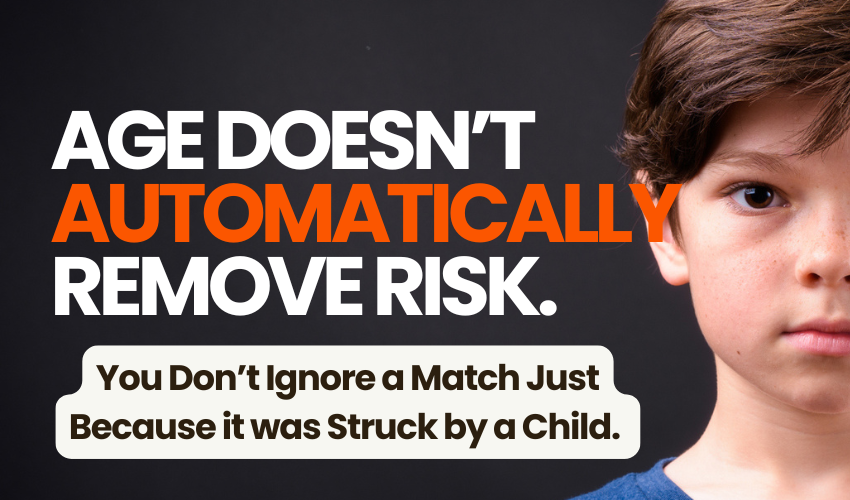
Age doesn’t remove risk.
In fact, immaturity plus isolation plus disturbing behavior increases the risk of a serious event.
It’s true that not all disturbing behavior is dangerous.
But all behavior that appears dangerous must be thoroughly accounted for.
You don’t ignore a match just because it was struck by a child.
You don't dismiss it or explain it away. You keep digging until you have accounted for the behavior and know exactly what it means.
Then you follow the facts wherever they lead.

Join the Safe & Loved Community and get more tips!
3 Options that will Change Your School

Address
PO BOX 474 Radford, VA 24143
Phone and text
(540) 577-7200
info@donshomette.com
Copyright © 2019 Don Shomette